How to Sell Candles on Etsy: Building a Cozy-Season Home Fragrance Shop
By The MyShop Team · 2026-07-30 · 12 min read
There is a reason candles fill so many carts every autumn. When the evenings get cooler, people want their homes to feel warm, and a good candle is a small, giftable way to buy that feeling.
If you have been looking for a physical product to build a shop around, home fragrance rides one of the biggest demand curves of the year. It is also one of the friendlier categories to start in, because the materials are cheap, the barrier to a first pour is low, and the product is genuinely repeatable once a buyer loves a scent. The catch is that "scented candle" on its own is far too generic to get found or chosen. The sellers who win treat it like a real brand with a clear lane, names that make people feel something, and photos that sell a mood. Here is how to build that shop, step by step, in time for the cozy-season wave.
Key takeaway: A candle shop wins on three things: a clear product lane, scent names that make a candle feel giftable, and warm lifestyle photos, all listed before the cozy-season search wave picks up. Get those right, price from your true cost, and you have a differentiated, repeat-friendly product that is far harder to copy than another print-on-demand design.
Why is a candle shop a smart thing to build right now?
Candles are a strong physical-product niche because demand is seasonal, gift-driven, and repeatable, and late summer is exactly when to get listed. Home fragrance climbs as the weather cools and it stays hot straight through the holidays, which means the shop you set up now is stocked and reviewed by the time buyers are searching hardest.
Candles also solve a problem a lot of makers run into with digital and print-on-demand products: everyone else can copy them in an afternoon. A candle is different. Your scent blends, your names, your jar style, and your photography add up to something a copycat cannot paste into their shop. That is what gives a candle shop staying power, and it is why a buyer who loves your "Cabin in October" comes back for it next year instead of hunting for the cheapest lookalike.
The trade is that candles are a physical product with real costs and a little bit of craft to learn. You are pouring, labeling, packing, and shipping something breakable. None of that is hard, but it means your pricing and your process have to be deliberate. Get those right and the margins are healthy and the repeat business is real.
Should you sell candles or wax melts first?
Pick one lane to start so your shop reads as focused instead of scattered, and let the numbers decide which. Each option has a different cost and effort profile:
- Jarred candles: the classic. Higher perceived value and giftability, but more cost per unit (vessel, wick, wax, lid) and heavier, more fragile shipping.
- Wax melts: flame-free cubes for a warmer. Cheap to make, light to ship, and a low-risk way to test which scents sell before you commit to candles.
- Tealights and travel tins: a nice middle ground and a natural add-on or sampler, useful for gift sets and for letting buyers try a scent cheaply.
A common smart move is to launch with wax melts to learn which scents sell, then add jarred candles in your best two or three fragrances once you have real data. That way your first big inventory investment goes into proven winners, not guesses.
Soy or coconut wax, and does it matter?
Both are fine starting points, so choose the one that fits the brand you want and then stay consistent. The wax is part of your story, not just a material:
- Soy wax: affordable, widely available, and popular with the natural-and-eco crowd. A great default for a first shop.
- Coconut and coconut-soy blends: throw scent well and read as more premium, which can justify a higher price if your branding backs it up.
- Paraffin and blends: strong scent throw and low cost, though less on-trend with buyers who specifically want natural waxes.
The point is not that one wax is objectively best. It is that your choice should match your positioning, and every candle in your shop should use the same story so your brand has a clear point of view.
"You cannot sell a smell online. You sell the feeling around it, in the name and in the photo."
How do you name scents so they actually sell?
Name for the feeling and the season, not just the raw fragrance, because a mood is more searchable and more giftable than an ingredient. "Vanilla" is a scent. "Sunday Morning" or "Cabin in October" is a mood someone wants to give or keep, and it earns the click. Blend both: lead the title with the evocative name, then say plainly what it smells like so buyers know exactly what they are getting.
A few naming habits that pull their weight:
- Anchor to a moment: names tied to a time, place, or memory (First Snow, Porch Swing, Library Hour) do the emotional work for you.
- Say the notes plainly underneath: follow the name with "warm vanilla, amber, and tonka" so nobody has to guess.
- Build a small themed collection: three to five scents around one idea (a cozy-autumn set) look intentional and encourage buying more than one.
- Match the season people are shopping: warm, spiced, and woodsy notes climb into fall, so release those first as the weather turns.
Tie your releases to what shoppers are already searching for, and a small seasonal collection with names that match the moment will out-click a generic "scented candle" listing every time. For the full timing map, see the launch-calendar guide linked at the end.
Why do photos matter more for candles?
Because you cannot sell a smell, so your photo has to sell the feeling around it. The listings that convert show the candle living in a warm, styled scene: a cozy nightstand, a lit flame in low light, a folded blanket nearby, rather than a bare product on a stark white background. Buyers are imagining their own room, and your photo has to do that imagining for them.
Work through your photo slots like a little story:
- Thumbnail: one clean, warm hero shot that reads clearly at postage-stamp size in search results.
- Lifestyle scene: the candle lit in a styled, cozy setting that sells the mood.
- Scale and detail: the candle in hand or beside a common object so buyers grasp the size, plus a close-up of the label and wax.
- Gift framing: a shot of the candle boxed or styled as a gift, since so many candle purchases are presents.
Pro tip: Shoot in soft, warm, natural light near a window, not under harsh overhead bulbs. Warm light makes a candle feel cozy and inviting, which is the exact emotion you are trying to sell. Most Etsy shopping happens on a phone, so check that your first image still reads at thumbnail size.
Our guide on mobile-first listing photos, linked below, covers how to win that first tap in a crowded search grid.
What do you need to start pouring?
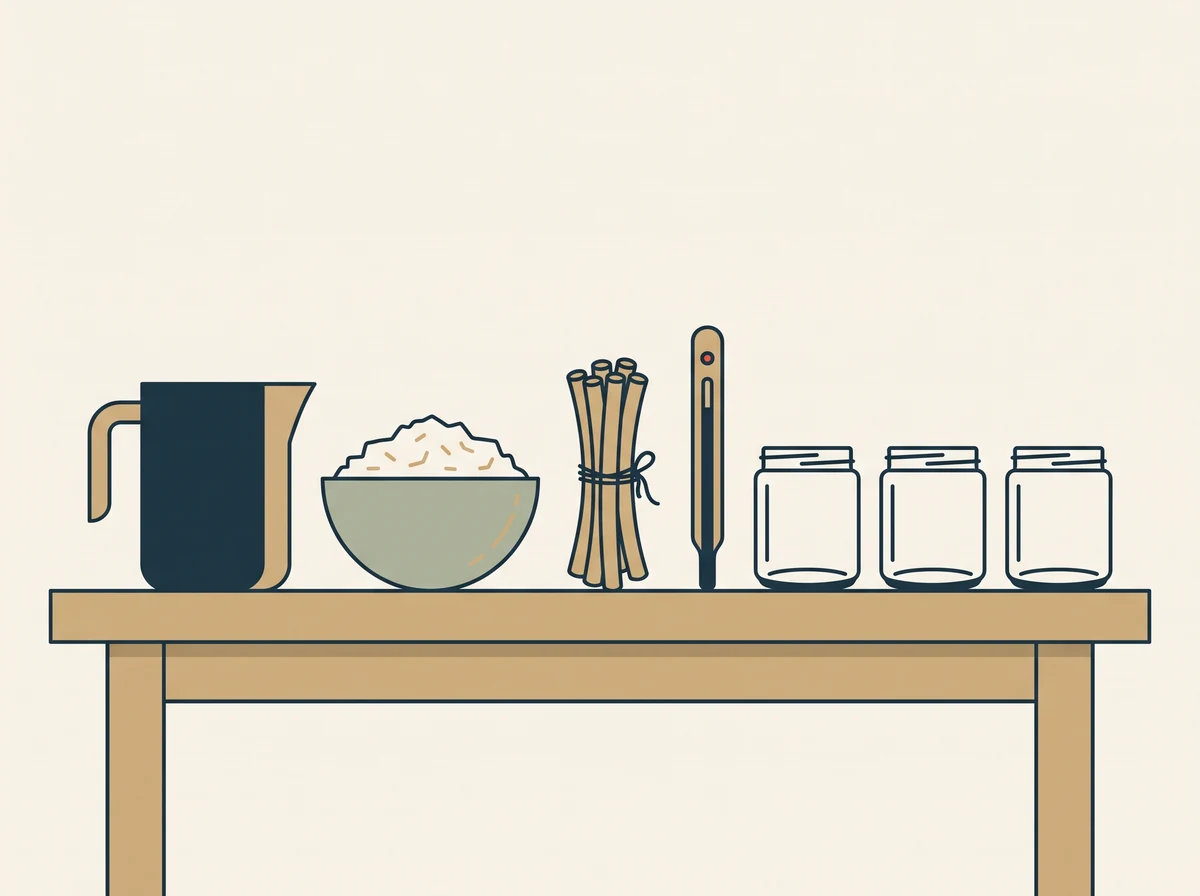
You can start a candle shop with a modest kit, which is part of why the niche is so beginner-friendly. Before you list anything, get comfortable with a small, repeatable setup:
- Wax and wicks: a bag of soy or coconut-soy wax and a pack of wicks sized to your vessel. Wick size matters more than beginners expect, since the wrong size tunnels or smokes.
- Fragrance oils: a few high-quality oils rated for candles, added at the supplier's recommended percentage so the scent throws without clogging the wick.
- Vessels and a pouring pitcher: jars or tins with lids, plus a pouring pitcher and a thermometer so you pour at the right temperature.
- Labels and packaging: a warning label, a scent label, and protective packaging for shipping something breakable.
Do a few test pours before you list. Cure the candles for the time your wax recommends, then burn one yourself and check the scent throw, the flame, and how the wax melts. Those test burns are what stand between a five-star review and a refund, so treat them as part of the product, not an afterthought.
How should you price candles for real profit?
Price from your true cost per unit plus fees plus a fair rate for your time, not from whatever the shop down the street charges. Add up wax, wick, vessel, fragrance oil, label, and packaging, layer in Etsy's fees, and remember the minutes you spend pouring and packing. The chart below shows where the money goes on a single mid-size jarred candle.
Here is the same breakdown as a table:
| Line | Amount |
|---|---|
| Materials (wax, wick, jar, oil, label) | $4.50 |
| Packaging and shipping supplies | $1.50 |
| Etsy fees (listing, transaction, payment) | $2.50 |
| Your list price | $22.00 |
| Rough profit before your labor | $13.50 |
Those numbers are an example, so plug in your own. Notice that the "left over" is before you pay yourself for pouring, labeling, and packing. If a candle takes fifteen minutes of hands-on time, that $13.50 is really your materials margin plus your wage, so price with your time in mind rather than racing a competitor to the bottom. If you are not sure what a listing actually clears after Etsy takes its cut, ask Spryte to run the profit on it so your price comes from your real margin.
What labeling basics should you cover?
Keep your buyers safe and your listings clear with a few simple habits. This is good practice and good service, not a rulebook lecture:
- Burn and safety guidance: add a small label with trim-the-wick, burn-on-a-stable-surface, and never-leave-unattended notes.
- Fill and burn time: state the net weight and approximate burn time so buyers know what they are paying for.
- Scent honesty: describe the fragrance accurately, including strength, so reviews match expectations.
- Wax and wick type: naming your wax (soy, coconut blend) and a cotton or wood wick builds trust and reinforces your brand story.
Watch out: Vague scent descriptions are the top source of candle returns and lukewarm reviews. If a buyer expected "strong pumpkin" and got a soft hint, they feel misled even if the candle is lovely. Set the expectation in the listing and your reviews will thank you.
Clear labels lower returns and complaints, and they make your shop feel professional, which is exactly the trust signal a first-time buyer is looking for.
When should you list to catch the cozy-season wave?
List before the demand curve peaks, not during it, so your candles are indexed and have a few reviews by the time buyers are searching hardest. Late summer into early fall is the sweet spot for warm and spiced scents, and the run into the holidays is the biggest home-and-gift stretch of the year. A rough rhythm:
| When | What to do |
|---|---|
| Late summer | List your fall collection so it indexes and gathers early reviews. |
| Early fall | Push spiced and woodsy scents and gift sets as searches climb. |
| Late fall | Lean into holiday gifting: bundles, gift framing, and winter scents. |
Listing early is the single biggest timing lever you have. A candle that goes live the week demand peaks has no reviews and no search history, while the one you listed six weeks earlier is already ranking and trusted.
How do you grow from a few candles into a real shop?
Once a few scents are proven, grow by deepening rather than sprawling. Add sizes and formats of your winners (a wax-melt version, a travel tin, a large jar), build gift sets that raise your average order value, and introduce a small seasonal drop a few times a year to give repeat buyers a reason to return. Resist the urge to launch thirty scents at once, since a tight, well-photographed range almost always outsells a sprawling one.
What mistakes should new candle sellers avoid?
Most first-shop stumbles are avoidable:
- Pricing off competitors: matching a big shop's price without their volume can leave you earning pennies per candle.
- Generic scent names: "Vanilla Candle" is invisible next to "Sunday Morning, warm vanilla and amber."
- Cold, flat photos: bright white studio shots strip out the exact coziness that sells a candle.
- Launching too late: listing during peak season means no reviews and no ranking when it matters most.
- Too many scents at once: a scattered range is harder to photograph well, harder to stock, and harder to trust.
Frequently asked questions
Is selling candles on Etsy profitable in 2026?
Yes, candles can be profitable because materials are inexpensive per unit and home fragrance sells strongly into the fall and holiday season. The margin depends on pricing from your true cost plus Etsy fees rather than matching a competitor's price, and on standing out with scent names and photos instead of competing on price alone.
Should I start with candles or wax melts?
Wax melts are the lower-risk starting point because they are cheap to make and light to ship, which lets you test which scents sell before investing in jars and vessels. Once you see which fragrances move, add jarred candles in your best two or three scents.
When is the best time to launch a candle shop on Etsy?
Late summer into early fall is ideal because warm and spiced scents climb as the weather cools and holiday gifting begins. Listing before the cozy-season search wave means your candles are indexed and reviewed by the time demand peaks.
What wax should I use for Etsy candles?
Soy is a popular, affordable default that appeals to buyers who want a natural wax, while coconut and coconut-soy blends throw scent well and read as more premium. Either works; the key is choosing one that fits your brand and using it consistently across your shop.
How do I make my candle listings stand out?
Lead with mood-based scent names, then describe the actual fragrance, and use warm lifestyle photos that show the candle in a cozy setting rather than on a plain background. A focused seasonal collection tied to the moment will out-click a generic scented-candle listing.
Related reading
To plan your releases and sharpen your images, see Your Fall and Halloween Launch Calendar and Mobile-First Listings: Winning the Tap on a Phone Screen.