How to Launch an Etsy Product So Search Actually Notices
By The MyShop Team · 2026-09-11 · 8 min read
Hitting publish on an Etsy listing is not the same as launching a product. Search needs early engagement to learn that shoppers care, and that engagement rarely appears on its own. A short plan for Pinterest, one blog post, email, and social in the first 7 to 14 days gives your listing a better chance of being noticed while recency still helps.
Key takeaway: Treat the first two weeks after publish as a traffic campaign, not a quiet wait-and-see period. Pair a strong listing with planned signals from Pinterest, one helpful blog post, email, and social so early engagement can support search visibility.
Why a listing alone is not a launch
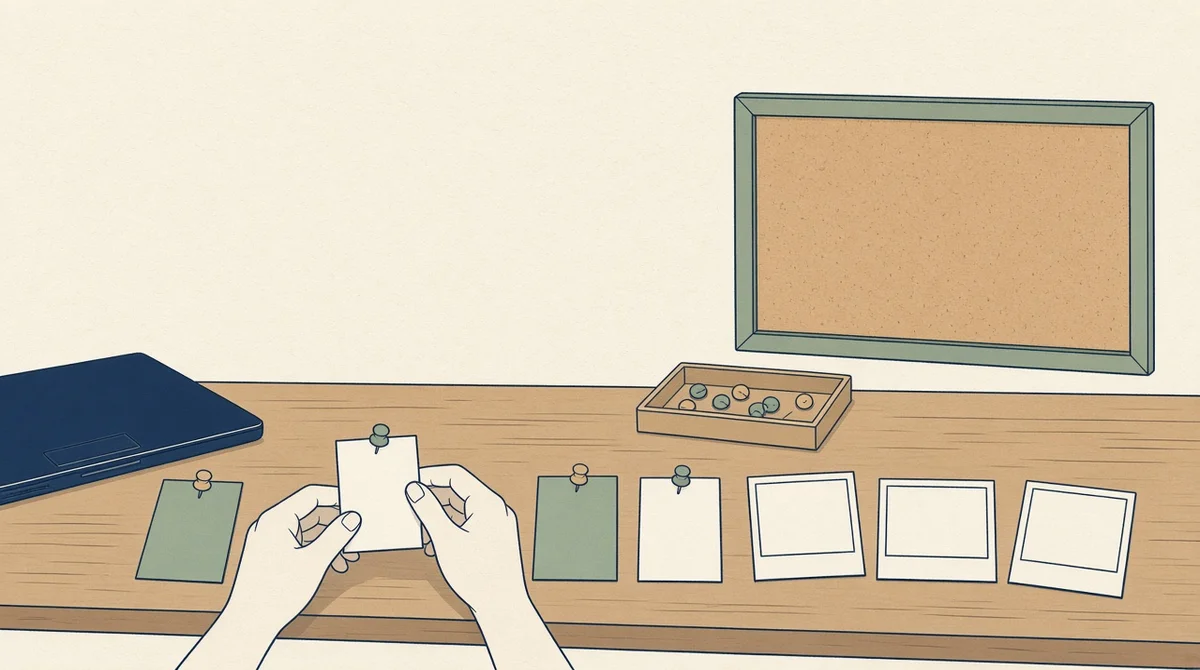
Many sellers finish photos, write a title, add tags, and assume Etsy search will do the rest. Listing quality matters, but it is only one piece. According to Etsy’s Seller Handbook, search ranking factors include relevancy, shop quality, listing quality, customer service quality, listing engagement rate, recency, translation quality, and shopper habits. Engagement and recency are not side notes. They are part of how search decides what to show.
Recency gives a small boost that lasts hours to days, not weeks. That window is useful if people are already finding and interacting with the listing. If nobody visits, favorites, or purchases in those early days, the boost fades with little to show for it. Search also evaluates the whole listing: title, tags, attributes, description, first photo, and reviews, not just title and tags. A polished listing still needs traffic to prove itself.
Customer service quality belongs in the same picture. Falling short of Etsy’s customer service standards can risk lower search visibility. A launch plan that drives visits without ready shipping, clear policies, and timely replies can backfire. Fix operations before you push traffic.
Build the plan before you publish
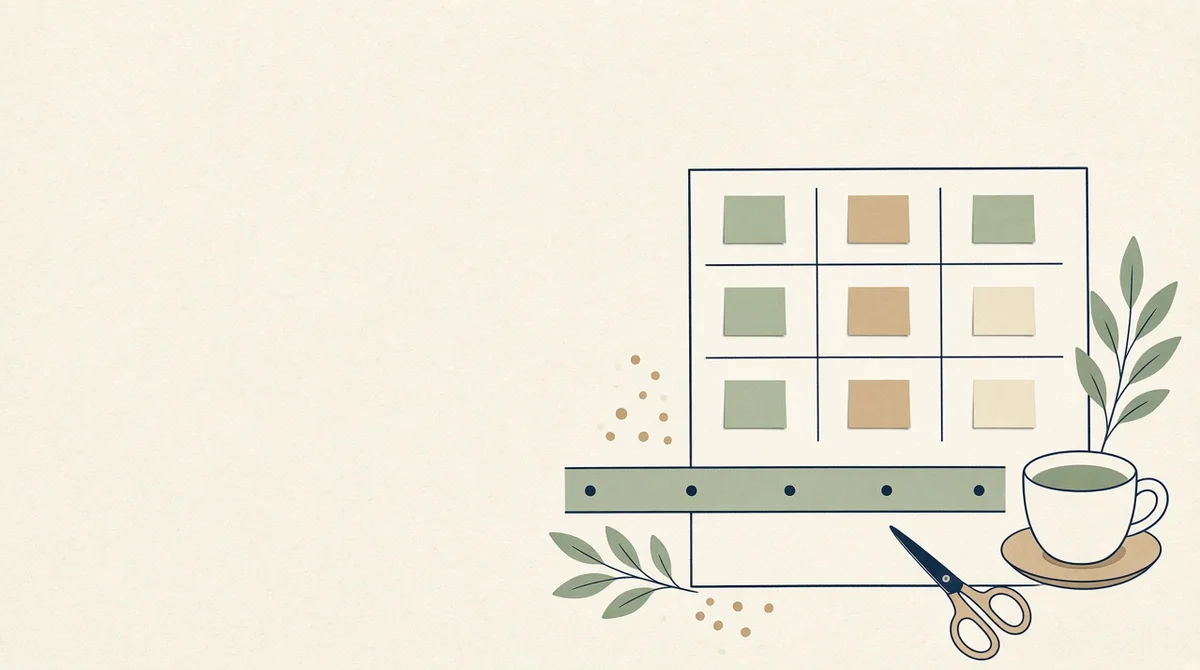
Write the launch calendar while the listing is still in draft. Decide the publish day, then map the 7 to 14 days after it. Your plan does not need a big budget. It needs consistency and assets ready to go: pin images, one blog outline, an email draft, and a few social captions.
Before publish day, also open Shop Manager and learn where Search Visibility lives. Etsy has a Search Visibility page that flags listings with reduced visibility and explains why. Check it after launch if traffic feels flat, so you fix listing issues instead of guessing.
If you work with a partner or VA, assign owners: Pinterest, email, and the publish-day checks. Shared calendars beat memory.
Watch out: Do not schedule heavy promo for a listing that is still missing attributes, a weak first photo, or incomplete shipping profiles. Drive traffic only after the listing is complete enough that search can evaluate it fairly.
Start with Pinterest
Pinterest is often the strongest free channel for product discovery because pins can keep sending visitors long after you publish them. Build two to four pin creatives before launch day: lifestyle crops, close detail shots, and a simple benefit-led graphic that still matches your brand. Schedule the first pins for publish day and the next ones over the following week so you are not dumping everything at once.
Write pin descriptions that name the product use case and the shopper problem, not only the item type. Link each pin to the Etsy listing URL. If you already have a small blog, send some pins to the launch post instead and link from the post to the listing. Either path works if the destination matches what the pin promises.
Publish one focused blog post
One useful blog post beats a vague announcement. Pick a narrow angle tied to how shoppers use the product: a styling guide, a gift checklist, a materials explainer, or a how-to that naturally features the new listing. Write for the searcher, then place a clear link to the Etsy listing where it helps, not in every sentence.
Publish the post on launch day or the day after. Share that URL in email and social so your owned channels point to something richer than a product page alone. If you do not have a blog yet, a single long-form update on a free publishing platform still counts as long as it is helpful and linked correctly.
Email the customers who already trust you
Your existing buyers and subscribers are the warmest audience you have. Send one launch email in the first few days, not five. Lead with why the product exists, who it helps, and one clear call to action. Keep the design simple so the message loads quickly on phones.
Segment if you can. Past buyers of related items are more likely to care than your full list. If your list is small, still send. Early favorites and purchases from people who know your shop are meaningful engagement signals while recency is active.
Avoid hype that you cannot support. Promise shipping timelines you can keep. Good customer service protects search visibility over time, and a rushed launch email that creates confused orders is not worth the spike.
Tell the story on social, not only the SKU
Social posts work best when they show process and story: materials on the bench, packing the first order, a before-and-after of the photo setup. Plan three to five short posts across the first two weeks. Mix stills and short video if that fits how you already post.
Link in bio or stories to the listing or the blog post. Do not rely on algorithm reach alone. Ask a few past customers if they would share, and reply to every comment in the first days so the thread stays alive.
A launch is a sequence of planned touches in the first two weeks, not a single publish click.
The first 72 hours after publish
Publish when you can monitor the shop for a day or two. Confirm the listing appears as expected, attributes look correct, and the first photo is strong on mobile. Then execute the day-one assets: pins live, blog live, email queued or sent, first social post up.
Watch for early friction: wrong variants, shipping profile mistakes, or messages you did not anticipate. Fix those fast. Engagement helps, but poor service and listing errors can undercut visibility. If Search Visibility flags a problem, address the reason instead of adding more ads or pins on top of a broken listing.
Do not panic if sales are quiet on day one. Focus on whether people are reaching the page and whether the page answers their questions. Adjust pin creative or the blog headline if click-through feels weak, but give each change a day or two before you rewrite everything.
A practical 14-day launch checklist
| Band | Days |
|---|---|
| Before publish | prep |
| Publish day | 1 |
| Settle | 2 to 3 |
| Release the rest | 4 to 7 |
| Review | 8 to 14 |
Day numbers run from publish, not from when you start preparing. The checklist below expands each band.
- Finalize listing quality: photos, attributes, description, shipping, and policies.
- Prepare two to four Pinterest creatives and schedule publish-day pins.
- Draft and schedule one launch-focused blog post with a clear listing link.
- Write one email to buyers or subscribers with a single primary CTA.
- Outline three to five social story or feed posts for the first two weeks.
- Publish the listing on a day you can monitor messages and inventory.
- On day one, publish pins, blog, email, and the first social post.
- Days 2 to 3: reply fast, fix listing issues, check Search Visibility if needed.
- Days 4 to 7: release remaining pins and two more social posts.
- Days 8 to 14: one follow-up social post, review what drove visits, note improvements for the next launch.
Skip channels you do not use yet, but do not skip listing quality or customer service readiness.
FAQ
Do I need Etsy Ads on day one?
Not required for this plan. Paid ads can amplify a solid listing, but the point here is owned and organic touches that create early engagement while the listing is new. Add ads later if the listing converts and you have budget.
How many Pinterest pins should I make?
Two to four well-made pins usually beat ten rushed ones. Refresh creative in week two if you have capacity, and keep descriptions specific to the shopper problem.
What if I have no email list yet?
Start collecting emails on your site or pack inserts for next time. For this launch, lean harder on Pinterest, the blog post, and social, and still treat customer service as non-negotiable.
Will posting everywhere the same day look spammy?
Not if each channel has a distinct job: pins for discovery, blog for depth, email for warm buyers, social for story. Same product, different framing.
When should I check Search Visibility?
After publish, and again if traffic or views look unexpectedly low. Use it to find listing-level issues rather than assuming the algorithm ignored you.
Does engagement guarantee higher ranking?
No. Engagement rate is one factor among several, including relevancy and listing quality. Your job is to give search real signals and a complete listing, not to game a single metric.
Related reading
Continue with these Shop Growth and listing guides: