What Can You Actually Sell on Etsy? Handmade, Manufactured & Reselling Rules
By The MyShop Team · 2026-07-10 · 9 min read
One of the first questions every new seller asks is deceptively simple: what am I actually allowed to sell here? Etsy is not a general marketplace like some competitors. It has specific rules about what belongs, and misunderstanding them is one of the fastest ways to get a listing removed or a shop suspended. The good news is that the rules are logical once you understand the categories Etsy is built around. This guide explains what qualifies, how to sell items you make with help from a manufacturer, and why straightforward reselling is the biggest trap for newcomers.
Key takeaway: Everything on Etsy must fit one of three buckets: handmade items you design and make (with production partners allowed if you disclose them), vintage items at least 20 years old, or craft supplies. Reselling mass-produced goods you had no hand in creating is not allowed and is a leading cause of shop suspensions. When in doubt, ask whether you designed it and are responsible for making it.
The three things Etsy allows
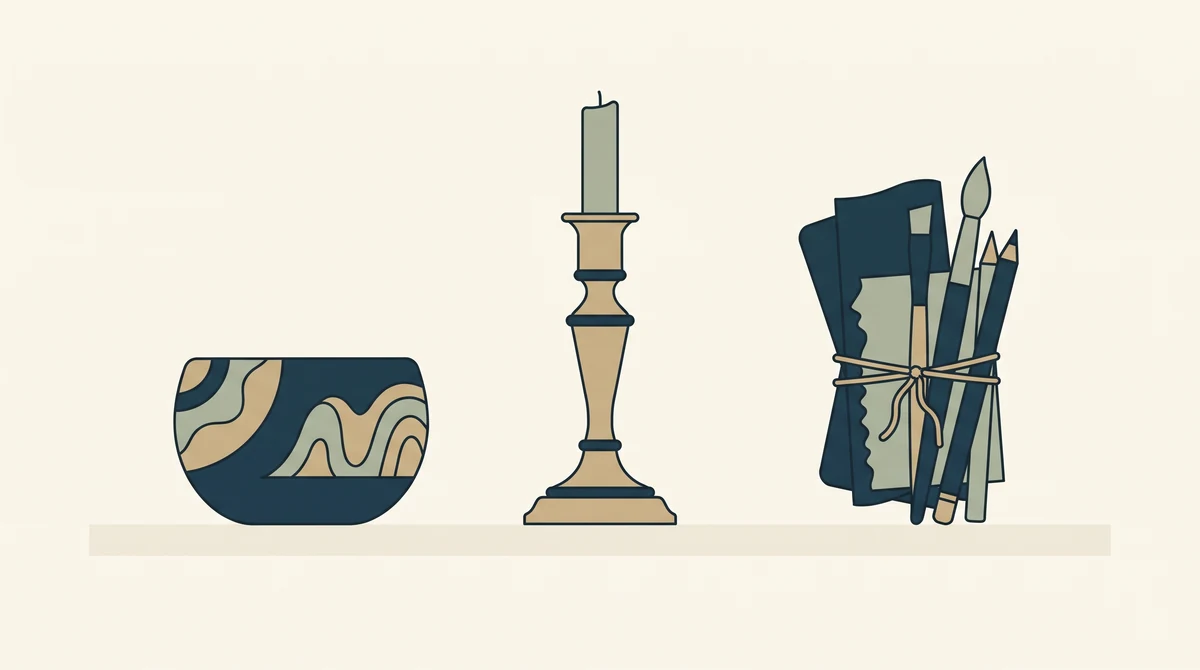
Etsy's entire catalog is meant to fall into one of three categories, and knowing which one your product fits keeps you on the right side of policy.
- Handmade items. Things you make or design yourself. This is the heart of Etsy and where most sellers live.
- Vintage items. Goods that are at least 20 years old. Vintage is about age, not style, so a new item made to look retro does not qualify.
- Craft supplies. Tools, ingredients, or materials intended for use in creating other items, whether handmade, commercial, or party supplies.
If your product does not clearly belong to one of these three buckets, it probably does not belong on Etsy, and forcing it risks removal.
What handmade really means
The word handmade causes the most confusion because it does not mean you personally stitch, carve, or pour every single item with no help. Etsy's definition centers on authorship and responsibility. A handmade item is one that you made or designed. You must be the creative force behind the product, and you must be honest about how it is made and who is involved. A print you designed, a candle you formulated and poured, a piece of jewelry you assembled, a shirt you designed and had printed, all can qualify, provided you are the designer and you follow the disclosure rules for any outside help.
What does not qualify is picking a finished product from a wholesale catalog, adding nothing of your own, and listing it as if you made it. The dividing line is design and responsibility, not whether your own two hands touched every step.
Production partners and manufacturing
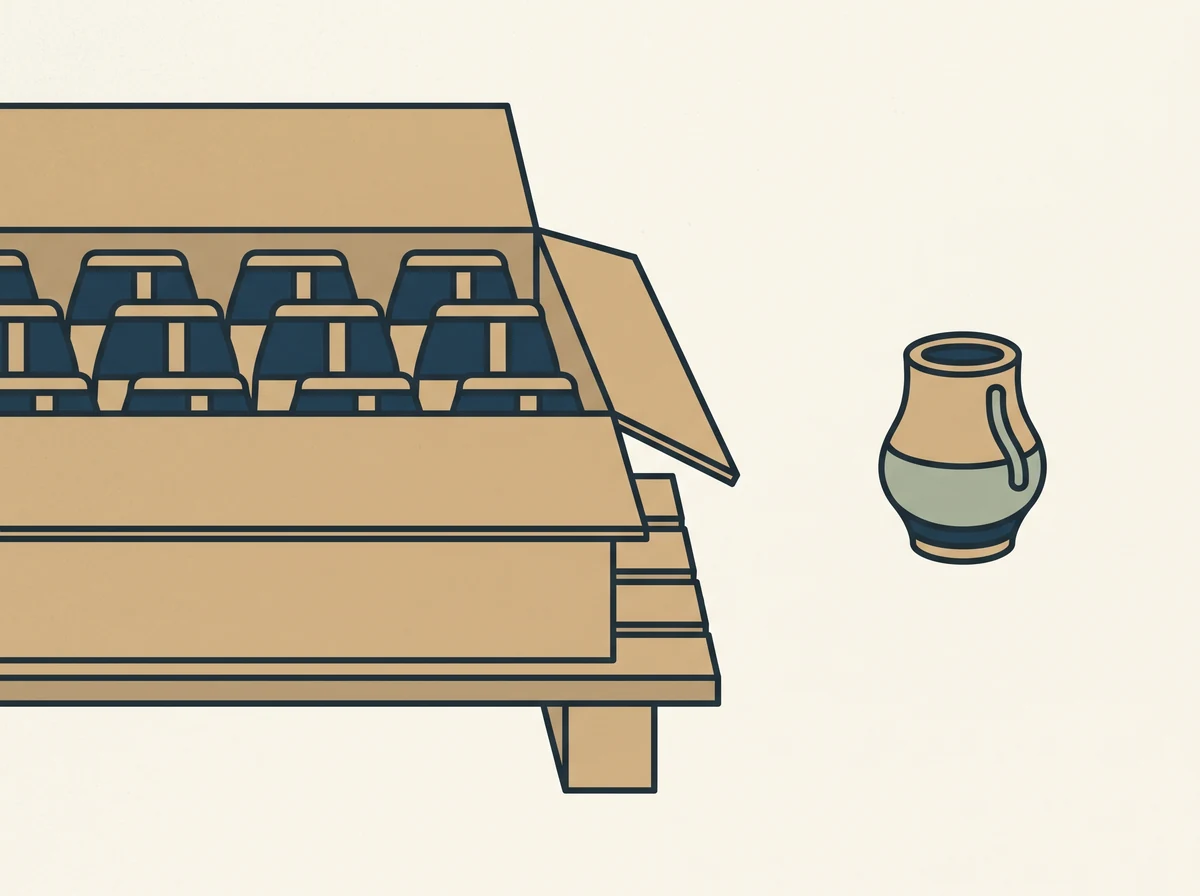
Many successful Etsy sellers do not make every item entirely by hand, and that is allowed. Etsy permits sellers to work with a production partner, an outside business or person that helps produce your designs, as long as two conditions are met. First, you must be the designer; the intellectual and creative work has to be yours. Second, you must disclose the production partner in your shop. Etsy provides a specific place to add production partners to your account and link them to listings, and using it keeps you compliant.
This is how print-on-demand and small-batch manufacturing work within the rules. You create the artwork or design, a partner prints or manufactures it, and you disclose that relationship. The design must genuinely be yours, and slapping your name on a partner's existing generic product is not what this allows. When set up honestly, production partners let you scale beyond what your own hands can produce without breaking policy.
Why reselling gets shops shut down
Reselling, buying finished, mass-produced goods and relisting them as your own, is the single most common reason new shops get suspended. It violates the handmade requirement because you did not design or make the item, and Etsy actively works to keep the marketplace distinct from general resale platforms. Dropshipping generic products from an overseas warehouse falls squarely into this prohibited category. Even if it feels like an easy business model, it is fundamentally at odds with what Etsy is, and the risk is not a warning but potential permanent closure of your shop and loss of your listings.
The gray area that catches well-meaning sellers is lightly modified resale: buying a plain manufactured item and adding a tiny, generic tweak. Whether that qualifies depends on whether you are genuinely the designer of a distinct product or simply reselling with a token change. If your contribution is trivial, treat it as reselling and reconsider.
Prohibited and restricted items
Beyond the handmade rule, Etsy also prohibits or restricts certain categories regardless of who made them. These include items that are dangerous, illegal, or violate intellectual property, along with several sensitive categories Etsy limits. The most common way ordinary sellers stumble here is intellectual property: making products that use someone else's trademarked logo, copyrighted character, or brand name without permission. A mug with a famous cartoon character or a shirt referencing a trademarked brand can be pulled and can expose you to a takedown claim. Design from your own original ideas, and treat any use of an existing brand or character as off-limits unless you hold a proper license.
How to check before you list
Before committing to a product line, run it through a simple test. Ask: Did I design this, or did I buy it finished? Am I using any production help, and have I disclosed it? Does anything on this product borrow a logo, character, or brand I do not own? Is it at least 20 years old if I am calling it vintage, or a genuine craft supply if I am listing it as one? If your answers keep you inside the handmade, vintage, or craft-supply buckets and clear of intellectual property, you are on solid ground. If any answer is shaky, resolve it before you invest in inventory or listings.
The gray areas that trip up honest sellers
Most sellers who run into policy trouble are not trying to cheat; they simply misjudged a gray area. A few come up again and again. The first is the lightly customized blank: buying a plain manufactured mug, adding a small generic decal, and calling it handmade. If your creative contribution is genuine and substantial, and you designed what makes the product distinct, you are likely fine. If the tweak is trivial and the product is essentially the wholesale item with a sticker, treat it as reselling. The honest test is whether a reasonable person would say you designed a distinct product or merely resold someone else's with a token change.
The second gray area is supplies versus finished goods. Selling a bag of beads as a craft supply is allowed; selling a finished mass-produced necklace you bought wholesale is not. The third is fan and trend products. It is tempting to ride a hot movie or a trending brand, but using a protected character, logo, or slogan without a license invites both listing removal and a takedown claim. Designing something original that captures a theme or aesthetic, without copying protected elements, keeps you safe. When any of these situations feels ambiguous, the safest move is to assume the stricter interpretation, because a suspended shop is far more costly than a product idea you passed on.
Building a shop that is safe to grow
The sellers who never worry about suspensions are the ones who build their catalog on solid ground from the start. That means designing original products, using only images and elements you have the right to use, disclosing any production partners properly, and staying clear of protected intellectual property entirely. It is far easier to build this way from day one than to unwind a catalog full of risky listings later, after you have invested in inventory, photography, and reviews that all disappear if the shop is closed.
There is a business upside to playing it straight, too. Original, clearly-authored products are exactly what Etsy's marketplace is built to reward, and they are what let you develop a recognizable brand that competitors cannot simply copy from a wholesale catalog. A reseller competes only on price and is one policy sweep away from losing everything. A genuine designer builds an asset: a distinct body of work, a loyal customer base, and a reputation that compounds. Understanding what you are allowed to sell is not just about avoiding trouble; it is about choosing the kind of business that can actually last on Etsy.
The bottom line
What you can sell on Etsy comes down to one honest question you can answer about any product: did you design and take responsibility for making it, is it genuinely vintage, or is it a real craft supply? If the answer keeps you inside those three buckets, and you disclose any production partners and steer well clear of other people's logos and characters, you can build with confidence. If the answer is that you bought a finished product and simply relisted it, you are on the wrong platform for that item, no matter how well it might sell in the short term. The sellers who last treat Etsy's rules not as red tape but as the definition of the marketplace they chose to join, a place for original, authored work. Building that way protects you from suspension, and it builds the one thing a reseller can never have: a distinctive brand that is truly yours and cannot be copied out of a wholesale catalog.
Frequently asked questions
Can I sell print-on-demand products on Etsy?
Yes, as long as you design the artwork yourself and disclose your print-on-demand company as a production partner. The design must be genuinely yours.
Is dropshipping allowed on Etsy?
No. Reselling generic, mass-produced goods you did not design or make violates Etsy's handmade policy and is a common cause of shop suspension.
What counts as vintage on Etsy?
Vintage means the item is at least 20 years old. It is about actual age, not a retro look, so newly made retro-style items do not qualify.
Do I have to make every item with my own hands?
No. You must be the designer and be responsible for the product. You can use disclosed production partners to help manufacture your original designs.
Can I sell items featuring popular characters or brands?
Not without a proper license. Using trademarked logos or copyrighted characters without permission risks listing removal and intellectual property claims.