Etsy SEO Explained: Why Your Etsy Shop Is Really a Grocery Store
By mySHOP TEAM · 2026-07-06 · 11 min read
Key Takeaways
- Etsy works like a grocery store: shoppers navigate to a section, scan the shelf, pick up what catches their eye, and read the label before buying.
- Your tags and titles are the store sections — they determine whether shoppers ever reach your aisle.
- Your photos are the packaging — they decide whether a shopper picks you up off the crowded search-results shelf.
- Your description is the ingredients label — it closes the sale by answering the questions a buyer asks before committing.
- Optimizing all three in that order (found, picked up, chosen) is the fastest way to improve an underperforming listing.
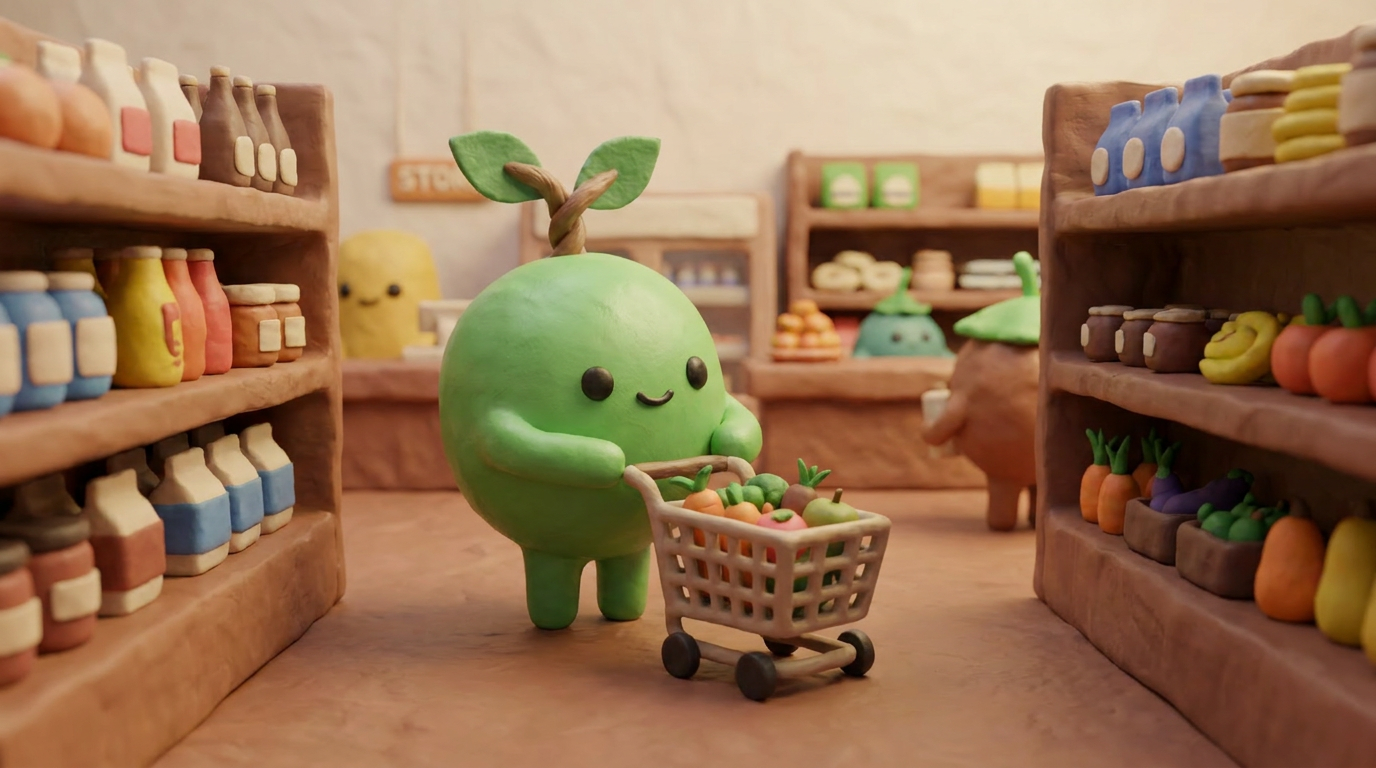
Imagine you are standing in a grocery store right now, picking out a product. You do not wander the whole building. You walk straight to the right section, scan a shelf full of options, reach for the box that catches your eye, flip it over, and read the ingredients. Thirty seconds, three decisions, done.
Now here is the part most sellers miss: that is exactly how customers shop on Etsy. Your listing is a product on a very crowded shelf, and buyers move through the same three steps — find the aisle, grab the package, read the label. Once you see it, you will never build a listing the same way again. This guide breaks down the grocery store strategy for Etsy SEO: what each part of your listing really does, why it works, and how to fix each one.
What Does a Grocery Store Have to Do With Etsy SEO?
Etsy SEO works like grocery store navigation: tags and titles act as the store sections that lead shoppers to your listing, photos act as the packaging that gets your product picked up, and the description acts as the ingredients label that convinces them to buy.
Think about why grocery stores are organized the way they are. Imagine a store where products sat anywhere — bread mixed with the candy, pasta stacked in the dog food aisle. You would walk right back out. Stores group similar items into departments so you always know where to find what you need. Etsy does the same thing, except its departments are built from search data: the words shoppers type, the tags sellers use, and the categories listings sit in.
Once a shopper reaches the right shelf, a second system takes over — branding. If they have a favorite brand, they grab it. But most Etsy shoppers do not have a favorite brand. They have an idea of what they want: a personalized gift for a dog mom, a minimalist gold necklace. When a shopper has an idea instead of a brand, the first thing that catches their eye is the packaging — the color, the font, the layout. Then they pick it up and read the ingredients.
Every buying decision on Etsy follows that same funnel: get found, get picked up, get chosen. Each step maps to one part of your listing, so let us take them in order.
Step 1: Your Tags and Titles Are the Store Sections
Tags and titles determine whether shoppers ever find your listing, because Etsy's search engine uses them to match your product to what buyers type in the search bar.
If your tags and titles are vague, your product is the pasta sitting in the dog food aisle — perfectly good, but shelved where nobody who wants it will ever look. No amount of beautiful photography fixes a listing that never appears in search results.
Here is how to shelve your product in the right section:
- Use all 13 tags, every time. Empty tag slots are empty aisle signs. Each tag is another route a shopper can take to reach your shelf.
- Think in phrases, not single words. Shoppers do not type necklace. They type dainty gold initial necklace or bridesmaid gift necklace. Multi-word, long-tail tags match the way real people search — and long-tail searches come from buyers who already know what they want.
- Front-load your title. Put the most important, most searched phrase in the first few words. That is the big sign hanging over the aisle, and it is what both shoppers and search engines read first.
- Match the shopper's words, not yours. You might call it a botanical art print. Your buyer calls it vintage flower wall art. Search your own product the way a stranger would, look at what Etsy autocompletes, and use their language.
- Cover different shopper intents. Some tags should describe the item (what it is), some the occasion (who it is for and when), and some the style (the look). A candle is not just soy candle — it is also housewarming gift and cottage core decor.
A quick test: if you handed your title and tags to a stranger with no photo attached, could they tell you exactly what the product is, who it is for, and what occasion it fits? If not, your aisle signs need work.
Step 2: Your Photos Are the Packaging
Your listing photos decide whether a shopper clicks your product instead of the dozens beside it, the same way packaging decides which box a grocery shopper picks up off the shelf.
Picture the shelf again. You are standing in front of a wall of options, no favorite brand in mind. What makes you reach for one box instead of another? The packaging: the color, the typography, the layout, the feeling that this one looks right. Big consumer brands spend millions on that moment — not because packaging is decoration, but because it does a job.
On Etsy, your main photo is your packaging, and the search results page is the shelf. Your product appears as one small thumbnail in a grid of near-identical competitors. That thumbnail has about a second to earn the click.
Make your packaging do its job:
- Design the thumbnail, not just the photo. Your main image gets viewed at postage-stamp size in search results. Shrink it down and check: does the product still read clearly? Does it stand out from the listings around it, or blend in?
- Use contrast and clean backgrounds. The box that pops on the shelf is the one that does not look like its neighbors. A clean, well-lit shot with a distinct background color beats a busy, dim photo every time.
- Fill your photo slots with answers. After the thumbnail earns the click, the rest of your photos work like the sides of the box: scale shots (product in hand or in a room), detail close-ups, variation options, lifestyle context, and packaging or gift-wrap shots.
- Show the product in use. A mug on a white background is a product. A mug steaming next to a book on a rainy-day windowsill is a scene the shopper puts themselves in — the same trick cereal boxes have used forever.
- Stay visually consistent across your shop. Consistent lighting, styling, and color grading is your brand's shelf presence. It is how a shopper starts to recognize you — and how browsing one listing turns into browsing your whole store.
Step 3: Your Description Is the Ingredients Label
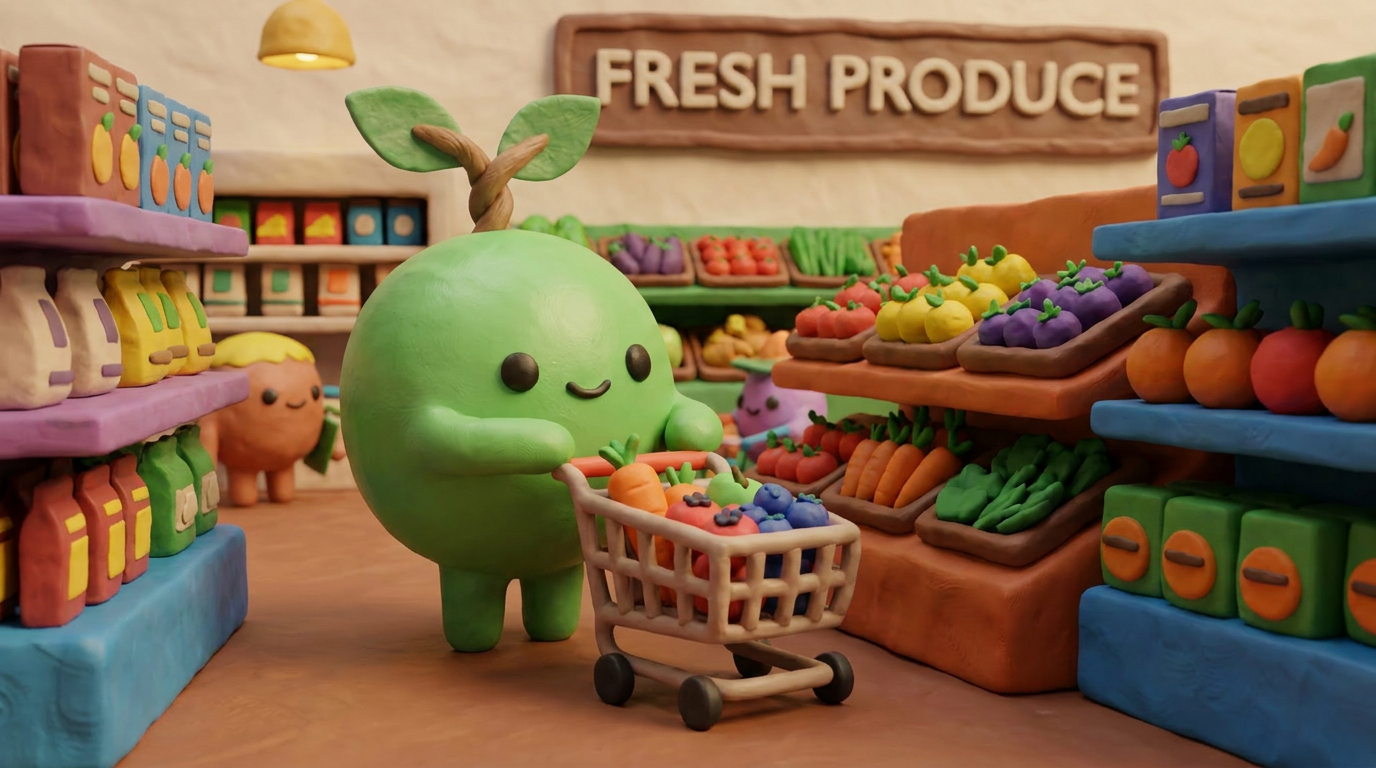
Your product description closes the sale by answering the questions a buyer checks before purchasing — materials, size, personalization, shipping, and care — exactly like a shopper reading the ingredients before putting a box in the cart.
Nobody reads the ingredients on a box they have not picked up. But once a shopper is holding it, the label is where the decision actually happens. Etsy works the same way: the description does not win the click, it wins the cart. And this is where a lot of great products quietly lose the sale — a stunning photo followed by two vague sentences is a beautiful box with a blank label. The shopper's follow-up questions go unanswered, and an unanswered question is friction. Friction kills carts.
Write an ingredients label that converts:
- Lead with the sentence that seals it. The first 160 characters carry the most weight — for skimming buyers and for search engines. Open with what it is, what it is made of, and who it is perfect for.
- List your literal ingredients. Materials, dimensions, weight, colors, care instructions. Specific details do double duty: they answer buyer questions and they build trust. Hand-poured 100% soy wax, 45-hour burn time beats high quality candle every time.
- Answer the questions you keep getting. Every message a buyer sends you is a missing line on your label. How long is processing? Can it be personalized? Will it arrive by the holiday? Put the answers in the description before they have to ask.
- Structure it for skimmers. Short paragraphs, clear sections, scannable lists. A wall of text is fine print, and nobody buys because of fine print.
- Keep the voice human. An ingredients label informs, but on Etsy, buyers also want to feel the maker behind the product. One or two lines about how it is made or why you make it is flavor — just do not let flavor replace the facts.
Why the Grocery Store Strategy Matters Even More in the Age of AI Search
Structured, specific, complete listings win in AI-assisted shopping, because AI tools recommend products by reading the same signals the grocery store strategy optimizes: clear titles, descriptive attributes, and detailed descriptions.
Shopping is changing. Buyers increasingly start with an AI assistant — asking ChatGPT, Claude, or Google's AI results for unique handmade gift ideas for a coffee lover — and get a curated shortlist instead of a wall of links. AI answer engines consistently favor content that is specific, well-structured, and directly answers the question, and the same is true when they surface products.
An AI assistant cannot be charmed by your photo. It reads your words: your title, your attributes, your description. A listing that says hand-thrown ceramic pour-over coffee dripper, matte speckled glaze, fits standard #2 filters gives an AI something concrete to recommend. A listing that says beautiful handmade piece gives it nothing. The sellers who write complete, specific, well-organized listings are not just optimizing for Etsy search anymore — they are stocking the shelf that AI shops from. The grocery store strategy was already the right move; AI search just raised the stakes.
The Grocery Store Strategy Checklist
Run every listing through the same three questions a shopper unconsciously asks:
- Can they find me? All 13 tags used, long-tail phrases, front-loaded title, shopper language, mixed intents (item + occasion + style).
- Would they pick me up? Thumbnail readable at small size, clean contrast, all photo slots filled, scale and lifestyle shots, consistent shop style.
- Would they put me in the cart? Key facts in the first 160 characters, materials and dimensions listed, common questions pre-answered, skimmable structure.
Fix them in that order. A perfect description cannot rescue a listing nobody finds, and a perfect title cannot rescue a thumbnail nobody clicks.
Frequently Asked Questions
What is Etsy SEO?
Etsy SEO is the practice of optimizing your listing's tags, titles, categories, attributes, photos, and descriptions so Etsy's search engine matches your products to what shoppers type — and ranks them well when it does.
Which matters more on Etsy: tags or photos?
They do different jobs, so neither replaces the other. Tags and titles get you found (visibility in search); photos get you clicked (traffic from search results). If you get impressions but no clicks, fix your photos. If you get almost no impressions, fix your tags and titles.
How many of Etsy's 13 tags should I use?
All 13, on every listing. Each tag is an additional path shoppers can take to find you, and unused tags are wasted visibility.
How long should an Etsy description be?
Long enough to answer every question a buyer would ask before purchasing — typically 150 to 300 words. Front-load the most important details in the first 160 characters, then cover materials, dimensions, personalization, processing time, and care.
How often should I update my Etsy listings?
Review underperforming listings every few months. Refresh tags to match seasonal searches (like Christmas gift for mom in Q4), test new thumbnail photos, and add answers to any new buyer questions to your description.
What Etsy itself rewards in 2026
The grocery store strategy still holds, and Etsy has now spelled out what its search actually rewards: clear titles over keyword stuffing, US domestic shipping under $6, high resolution photos with a single product in the main image, and strong customer service scores. Etsy even added a Search Visibility Page in Shop Manager that flags which listings are held back and why. For the full, up to date breakdown, see Etsy SEO Explained: How to Get Your Listings Found in Search.
Stock Your Shelf Like the Pros
Big brands obsess over the shelf — the section, the box, the label — because every one of those pieces does a job. Your shop deserves that same thought. You have already made something worth buying. Do not let it get lost in the wrong aisle or passed over in a plain box.
So the next time you are working on a listing, do not ask is this done? Ask it like a shopper: Can they find me? Would they pick me up? Would they put me in the cart?
Get found. Get picked up. Get chosen. Your product is already on the shelf — make it the one they reach for.
Ready to put this into practice? Open your lowest-traffic listing and run it through the checklist above — or ask Spryte, your personal seller assistant, to review your tags, photos, and description for you.