Etsy Payment Reserves Explained: Why Etsy Holds Your Money
By The MyShop Team · 2026-07-18 · 9 min read
Few things rattle a new Etsy seller more than making a sale and then discovering that only part of the money is available to withdraw. This is a payment account reserve, and while it feels like a punishment, it is really a risk-management tool. Etsy uses reserves to make sure funds are available in case an order goes wrong before it is delivered. Understanding how reserves work turns a scary surprise into a predictable, manageable part of running a young shop. This guide explains why reserves happen, how the held money is released, and the concrete steps that lower your chances of getting one.
Key takeaway: A payment reserve holds back a portion of each sale for a set period to cover the risk that an order is cancelled, refunded, or disputed before it is delivered. Reserves most often hit newer shops and shops with sudden changes in behavior. You get funds released by shipping on time with tracking, keeping buyers happy, and building a steady track record, and Star Sellers are typically exempt entirely.
What a payment reserve actually is
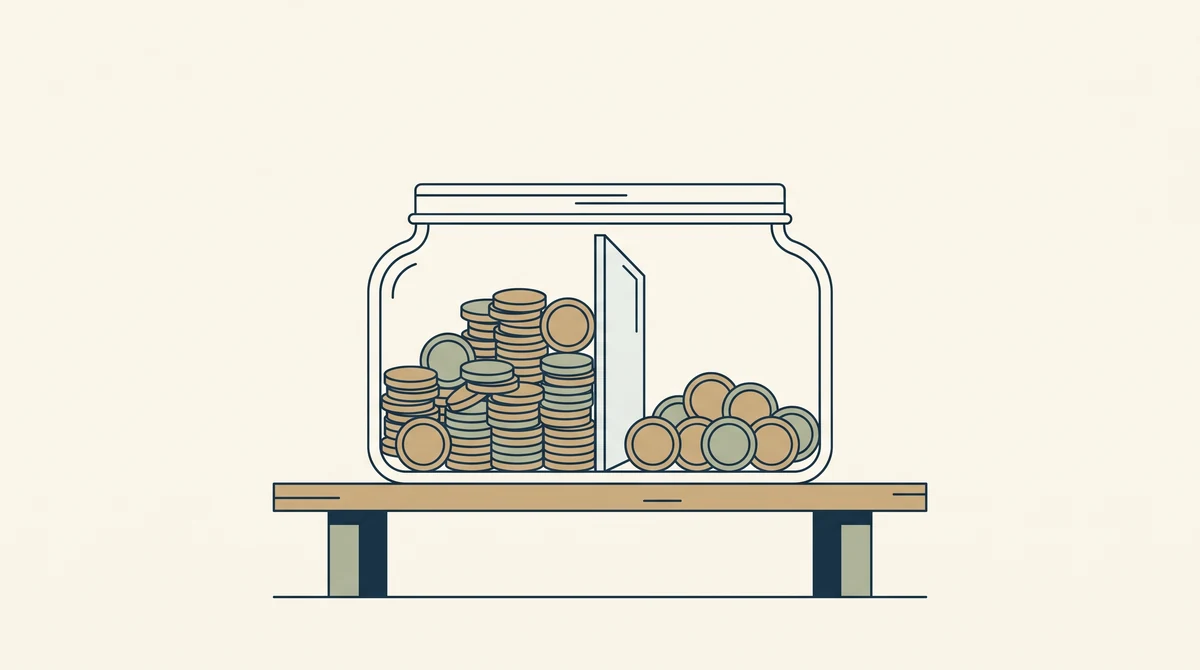
When Etsy places a reserve on your Payment account, it holds a percentage of each sale rather than releasing the full amount to your available balance right away. The held portion is not a fee and it is not lost. It is your money, temporarily set aside, and it is scheduled to be released to you on a defined timeline. Think of it as a security deposit that Etsy manages on the platform's behalf so that if a buyer needs a refund, the funds exist to cover it.
Reserves exist because Etsy sits in the middle of a transaction where the buyer has paid but has not yet received the item. If the seller never ships, ships late, or the buyer opens a case, Etsy may need to refund the buyer. For an established shop with a long clean history, that risk is low. For a brand-new shop with no track record, the risk is unknown, and the reserve covers the gap while trust is being built.
Why Etsy placed a reserve on your shop
Reserves are driven by a combination of risk signals rather than a single trigger. Etsy has said it is unlikely that one change alone causes a reserve. Common contributing factors include:
- Being a new shop. Without a delivery history, Etsy cannot yet predict how reliably you fulfill orders, so new shops are the most common reserve candidates.
- A sudden spike in sales or price. A big, abrupt change in your normal pattern, for example a listing that unexpectedly goes viral, can look like risk to an automated system.
- Shipping and tracking gaps. Orders shipped late, or without tracking that proves delivery, increase the chance of a reserve.
- Cases, refunds, or disputes. A history of cancellations or opened cases signals that money may need to be returned to buyers.
- Account or verification issues. Incomplete identity or bank verification can also contribute.
It is worth knowing that some sellers who only sell digital items have reported reserves too, even though shipping and tracking do not apply to them. That underscores the point that reserves are based on a blend of signals, not one rule.
How much is held and for how long
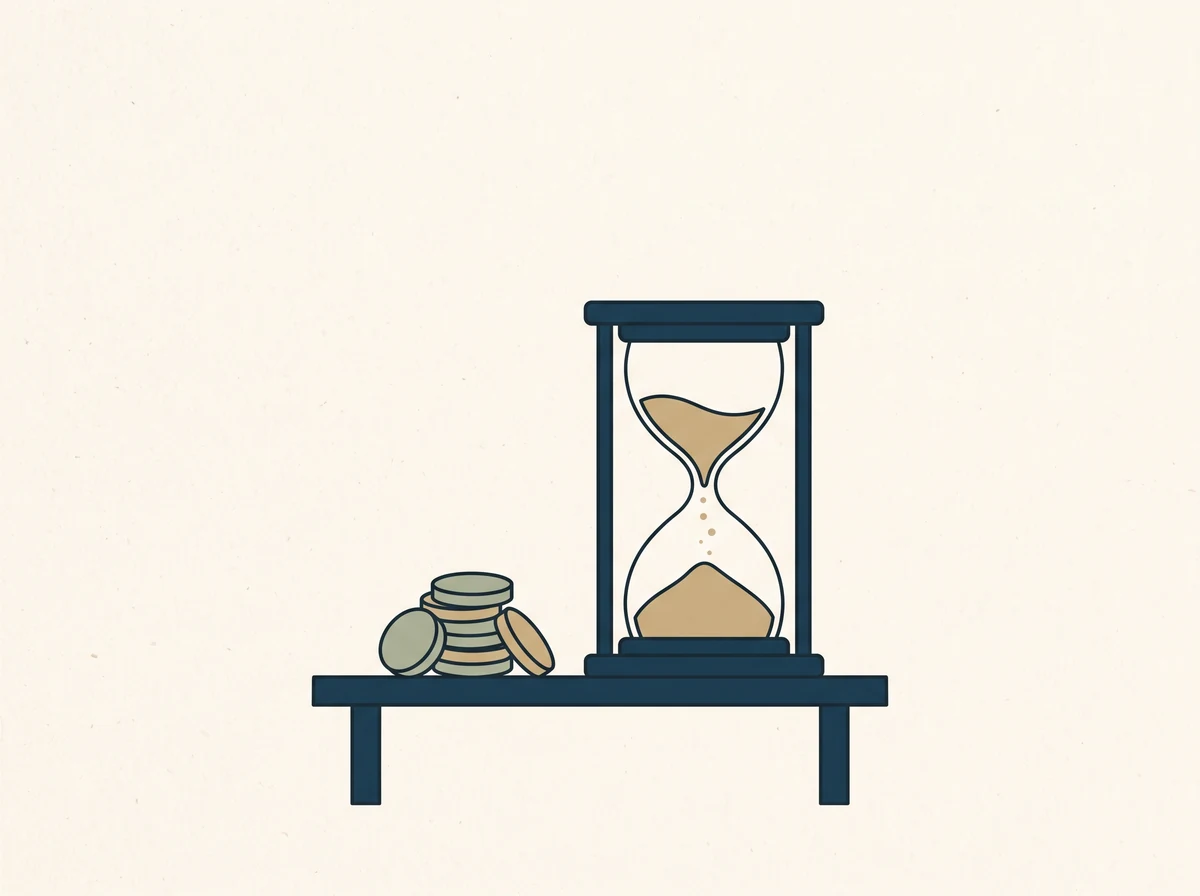
Under a typical reserve, Etsy holds a portion of each sale, and that held amount is released on a schedule. In many cases the held funds are released after a set number of days, and adding valid tracking that shows the order is on its way to the buyer can move the release along. The exact percentage and timeline are shown in your Payment account settings, so always read the specifics Etsy displays for your shop rather than relying on a number you saw in a forum. The pattern to expect is: sell, a slice is held, you ship with tracking, and the held slice releases on its scheduled date.
How to get your funds released faster
You cannot always remove a reserve on demand, but you can consistently shorten the practical wait and reduce the odds of future holds:
- Ship on time, every time. Meeting or beating your processing deadline is the single strongest positive signal you can send.
- Always add tracking. Buying labels through Etsy attaches tracking automatically. Proof of movement toward the buyer is exactly what a reserve is waiting for.
- Keep processing times realistic. Promising faster than you can deliver creates late shipments, which feed reserves. Set times you can beat.
- Resolve buyer issues quickly. Fewer cases and refunds means less perceived risk.
- Complete all verification. Make sure your identity and bank details are fully confirmed so there are no open flags.
Reserves and the Star Seller badge
Here is the connection many sellers miss: Star Sellers are generally not subject to payment reserves. The three habits that earn Star Seller, fast message responses, on-time shipping with tracking, and strong reviews, are the same behaviors that tell Etsy your shop is low risk. So the most reliable long-term path out of reserve territory is simply to run the kind of shop that qualifies for the badge. Fixing your operations solves both problems at once.
Planning your cash flow around a reserve
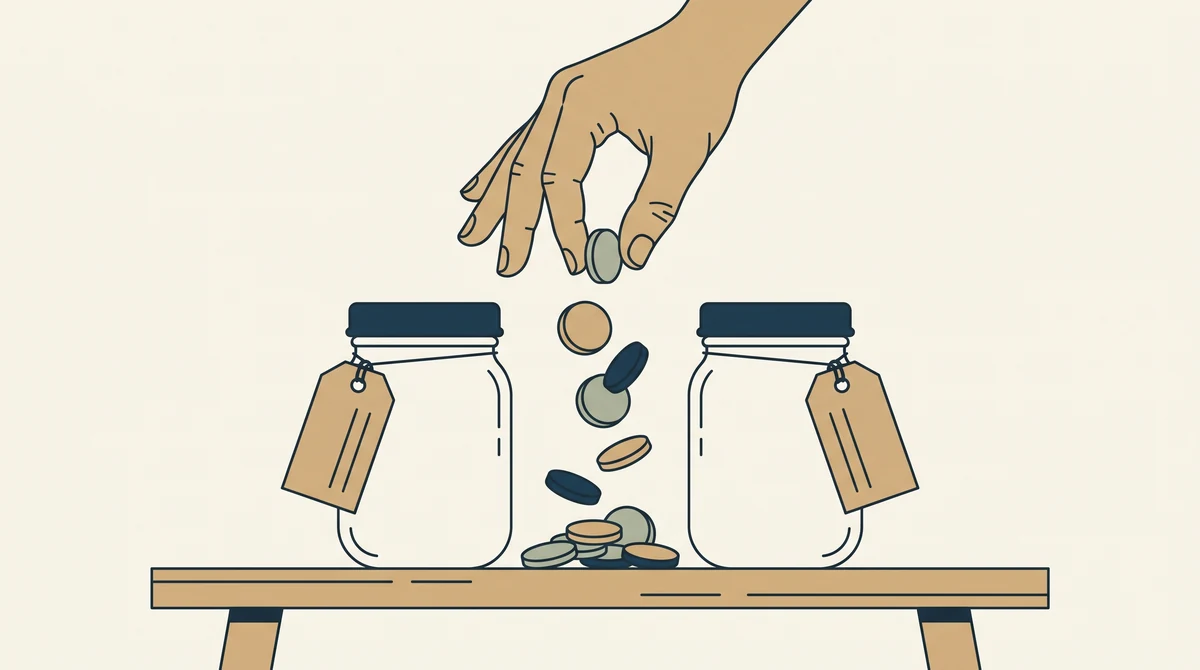
If you are new and expect a reserve, plan for it rather than being caught short. Do not commit every incoming dollar to restocking materials the moment a sale lands, because part of that money may not be available yet. Keep a small buffer so a reserve does not stall your ability to fulfill the very orders that are being held. As your history builds and you ship reliably, the held percentage and the friction tend to ease, and your available balance starts to look much more like your gross sales.
What not to do
Do not try to game a reserve by faking tracking numbers or marking orders shipped before they are, because that erodes exactly the trust the reserve is measuring and can lead to bigger account problems. Do not open a flood of support tickets demanding immediate release, since the timeline is largely systematic. And do not panic-close your shop; the fastest recovery is a short, steady stretch of clean, well-tracked fulfillment.
A real example of how a reserve plays out
It helps to walk through a typical scenario. Imagine a new shop makes its first ten sales in a strong opening week. Etsy, seeing no delivery history, places a reserve that holds back a portion of each order. The seller ships every order within two days using Etsy labels, so tracking attaches automatically and each package shows clear movement toward its buyer. As the scheduled release dates arrive and tracking confirms deliveries, the held portions land in the available balance one after another. A few weeks in, with a clean record of on-time, tracked shipments and no cases, the practical drag of the reserve has faded and the shop's available balance closely tracks its gross sales. Nothing dramatic happened. The reserve simply did its job, bridging the gap while the shop proved it was reliable, and then quietly receded.
Contrast that with a shop that ships late, forgets to add tracking, and picks up a couple of cases. That shop sends every signal a reserve is designed to hedge against, and it experiences the hold as a persistent frustration rather than a passing phase. The difference is not luck. It is the fulfillment behavior underneath.
Reading your reserve in the numbers
The most empowering thing you can do about a reserve is stop treating it as a mystery and start reading it in your own data. Your Payment account shows the held amount, the release schedule, and the balance available now. Watching those figures over a few weeks turns an abstract worry into a concrete, shrinking number. You can see held funds release on schedule, watch the held percentage shrink as your history strengthens, and connect that improvement directly to the shipping and service habits you have tightened. Sellers who track their payouts and fulfillment metrics together, whether in Etsy's own reports or an analytics tool like myShop, tend to escape reserve friction faster, because they can see exactly which behaviors move the number and repeat them deliberately.
The mindset shift is the real win. A reserve is not a verdict on your shop; it is a temporary, measurable condition that responds to the same reliable operations that build a healthy business anyway. Ship on time, add tracking, keep buyers happy, finish your verification, and the reserve becomes a footnote rather than a headline.
The bottom line
A payment reserve feels personal, but it is not. It is a temporary, automated hedge against the one risk Etsy cannot verify yet: whether a new or rapidly changing shop will reliably deliver what buyers paid for. The way out is not a support ticket or an argument; it is a short stretch of exactly the operations that make a good shop anyway. Ship on time, buy your labels through Etsy so tracking attaches itself, keep buyers happy, and finish every verification step. Do that consistently and the held percentage shrinks, releases arrive on schedule, and your available balance starts to look like your real sales. Better still, the same habits move you toward Star Seller, which typically removes reserves entirely. Plan your cash flow so a hold cannot stall your fulfillment, read your payout numbers instead of fearing them, and treat the reserve as a passing phase you are actively growing out of, because with reliable shipping, that is precisely what it is.
Frequently asked questions
Is a payment reserve the same as a fee?
No. A reserve is your own money held temporarily and scheduled for release. A fee is a charge you never get back. Reserves cost you nothing except a short wait.
How long does an Etsy reserve last?
Held funds are released on a schedule shown in your Payment account, often after a set number of days per sale, and adding tracking can help move releases along. Check your own settings for exact terms.
Why do I have a reserve if I only sell digital downloads?
Reserves are based on a blend of risk signals, not just shipping. Some digital-only shops still see reserves, especially when new or after sudden changes in sales patterns.
Can I remove a reserve completely?
Often the most effective route is to qualify for Star Seller, since Star Sellers are typically exempt from reserves. Otherwise, a steady record of on-time, tracked shipping reduces holds over time.
Will a reserve stop me from getting paid at all?
No. It only delays a portion of each sale. The rest is available on your normal deposit schedule, and the held part follows shortly after on its release date.