The Add-On Play: Charms, Tags and Interchangeable Pieces That Lift Order Value
By The MyShop Team · 2026-07-18 · 6 min read
Some of the smartest money on Etsy is in the smallest products. Custom tags, mini charms, zipper pulls, and interchangeable pieces are having a moment in 2026, and not just as freebies. Shoppers are personalizing their bags, planners, and outfits one little add-on at a time. For a seller, that is a whole product line hiding in plain sight, one that is cheap to make and easy to sell alongside what you already offer.
Key takeaway: Small modular add-ons like charms, custom tags, and interchangeable pieces are low-cost, high-margin products that shoppers buy on impulse. Sold on their own and paired with your bestsellers, they raise your average order value, so one buyer walks away with two items instead of one.
Why do small add-ons sell so well?
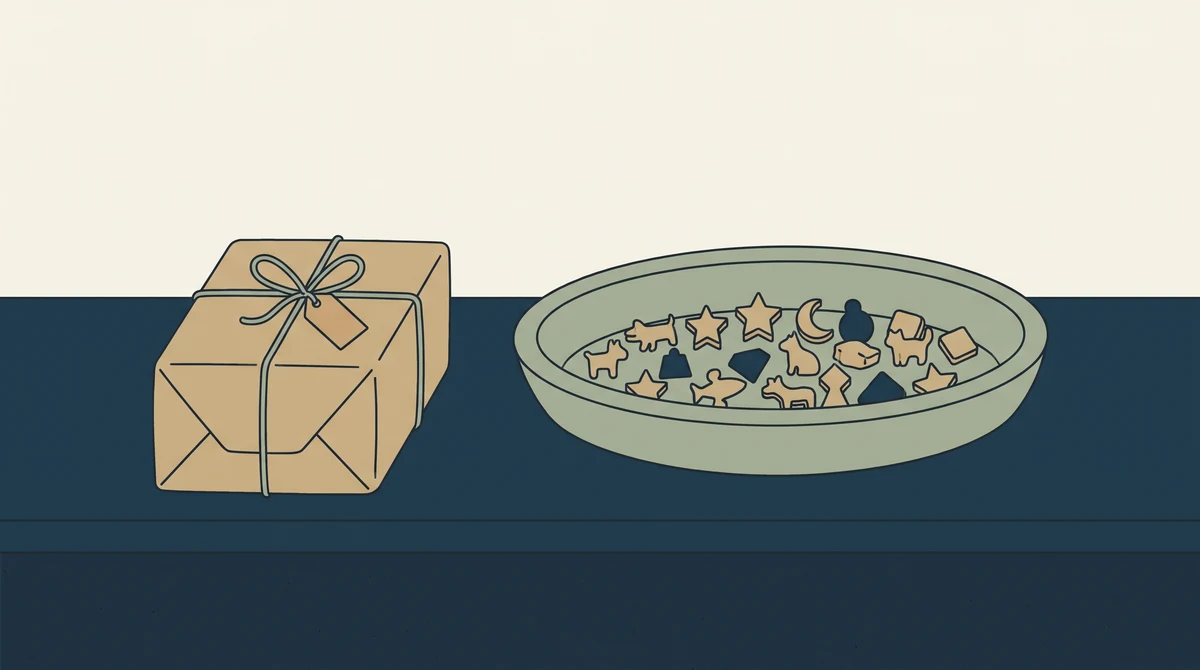
Small add-ons sell well because they are low-priced impulse buys that let shoppers personalize something they already own, so the decision is easy, the risk is tiny, and the buyer feels a little jolt of self-expression. A charm or tag is a small yes, and small yeses add up fast.
They also ride the 2026 personalization wave. Buyers want their things to feel like theirs, and a swappable charm or a custom tag is the cheapest way to get that feeling. Etsy's trend data specifically calls out these little add-ons, custom tags, mini pendants, zipper pulls, and interchangeable pieces, as a rising behavior.
What kinds of add-ons work?
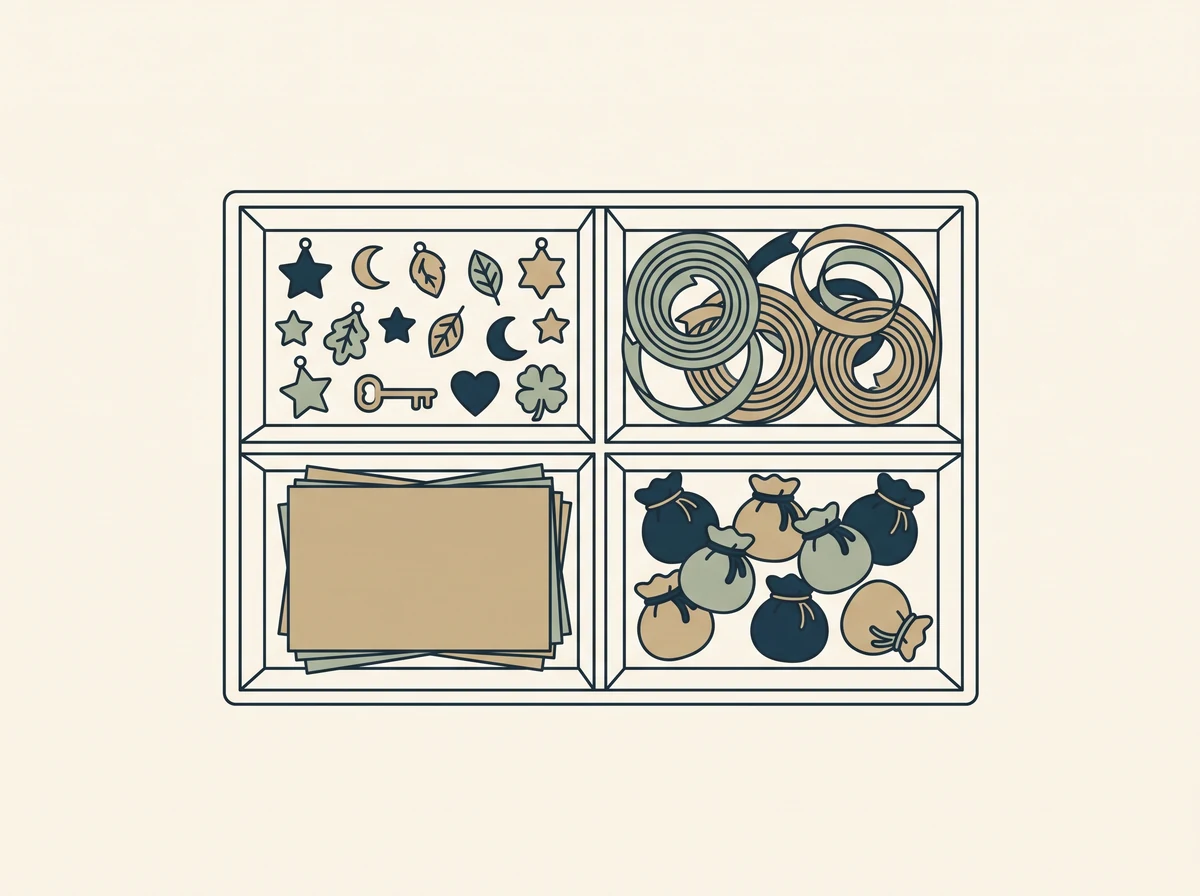
The best add-ons are small, personal, and easy to attach: charms, custom name tags, zipper pulls, keychain pieces, and interchangeable accessories that clip onto bags, planners, clothing, or pets. Anything a buyer can add to something they own is a candidate.
- Charms and mini pendants: for bracelets, bags, and phone cases.
- Custom tags: luggage tags, pet tags, planner tags, bag tags.
- Zipper pulls and keychain pieces: tiny, cheap, and endlessly personalizable.
- Interchangeable accessories: swappable pieces that let a buyer change the look of a base product.
How do add-ons raise your order value?
Add-ons raise order value by turning a one-item order into a two-item order: the shopper comes for your main product and adds a small, tempting extra at checkout, so your revenue per order climbs without finding a single new customer. It is the same buyer spending a little more.
| Without add-ons | With add-ons |
|---|---|
| Buyer purchases one main item | Buyer adds a charm or tag to the main item |
| Order value capped at the product price | Order value rises with each small extra |
| No easy impulse purchase | Low-price add-on is an easy yes |
| Shipping one item | Shipping two in the same package, better margin |
Because add-ons are small and light, they usually ship in the same package as the main order at little or no extra cost, so more of that add-on revenue is profit.
How do you sell add-ons the right way?
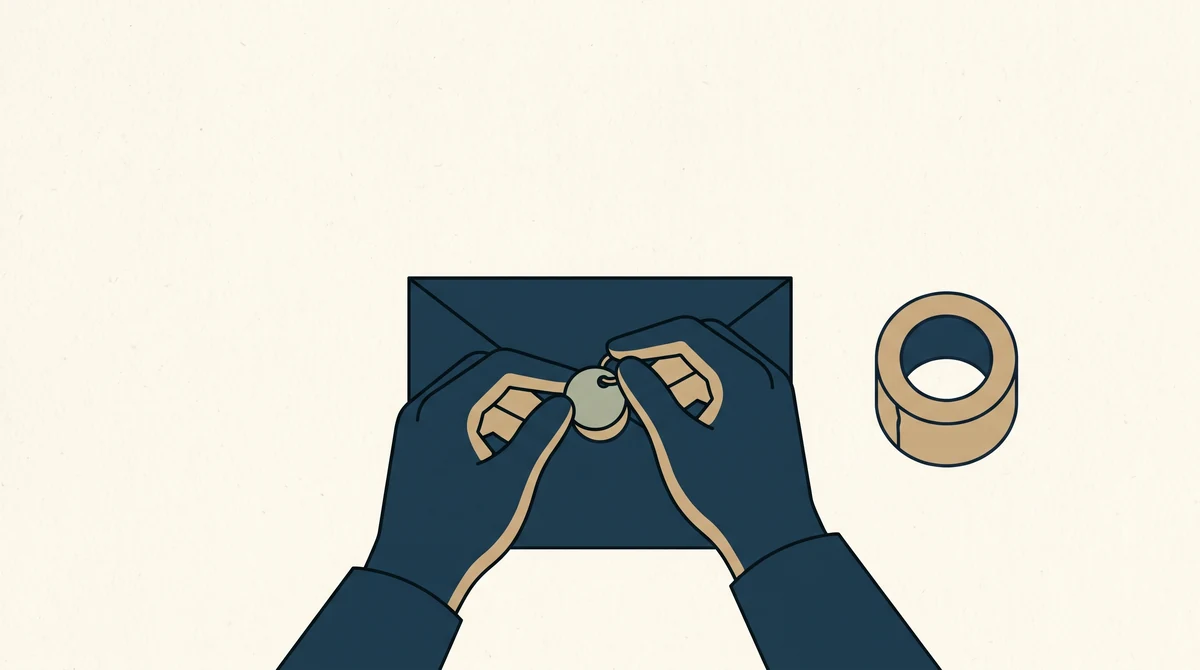
You sell add-ons by offering them both as standalone listings and as natural companions to your bestsellers, making the pairing obvious so shoppers see the extra right when they are ready to buy. The goal is to put the add-on in front of a buyer who already has their wallet out.
- List them standalone so they can be found in search and bought on their own.
- Pair them with bestsellers, mentioning the matching charm or tag in your main listing photos and description.
- Bundle a few into a small set to nudge multi-buys.
- Keep prices impulse-low, in the range a shopper adds without a second thought.
Frequently asked questions
How do add-on products increase Etsy order value?
They turn one-item orders into multi-item orders. A shopper buying your main product adds a low-cost charm or tag on impulse, so your revenue per order rises from the same customer. Because add-ons are small, they usually ship in the same package, keeping the extra revenue mostly profit.
What small add-on products sell best on Etsy?
Charms and mini pendants, custom tags for bags, pets, and planners, zipper pulls, keychain pieces, and interchangeable accessories all sell well. Etsy's 2026 trend data highlights these personalized add-ons as a rising shopper behavior.
Should I sell add-ons separately or only with main products?
Both. List them standalone so they show up in search and can be bought alone, and also feature them alongside your bestsellers so buyers see the pairing at the moment of purchase. Selling both ways captures the most orders.
How should I price add-on products?
Keep them impulse-low, at a price a shopper adds without thinking twice. The goal is easy yeses, not big-ticket margin per item. The profit comes from volume and from lifting the value of orders you were already going to get.
Add one small line
Look at your bestselling product and ask what small, personal piece a buyer might add to it. Make a handful of those, list them on their own, and mention them in your main listing. It is the rare product idea that is cheap to launch, quick to make, and pays for itself by lifting orders you already have. If you want help spotting which add-ons fit your shop or how to pair them with your bestsellers, ask Spryte, your personal seller assistant.
Related reading
Find more product ideas in Notion Templates and Prompt Packs, and price them for profit with the Etsy Pricing Formula.